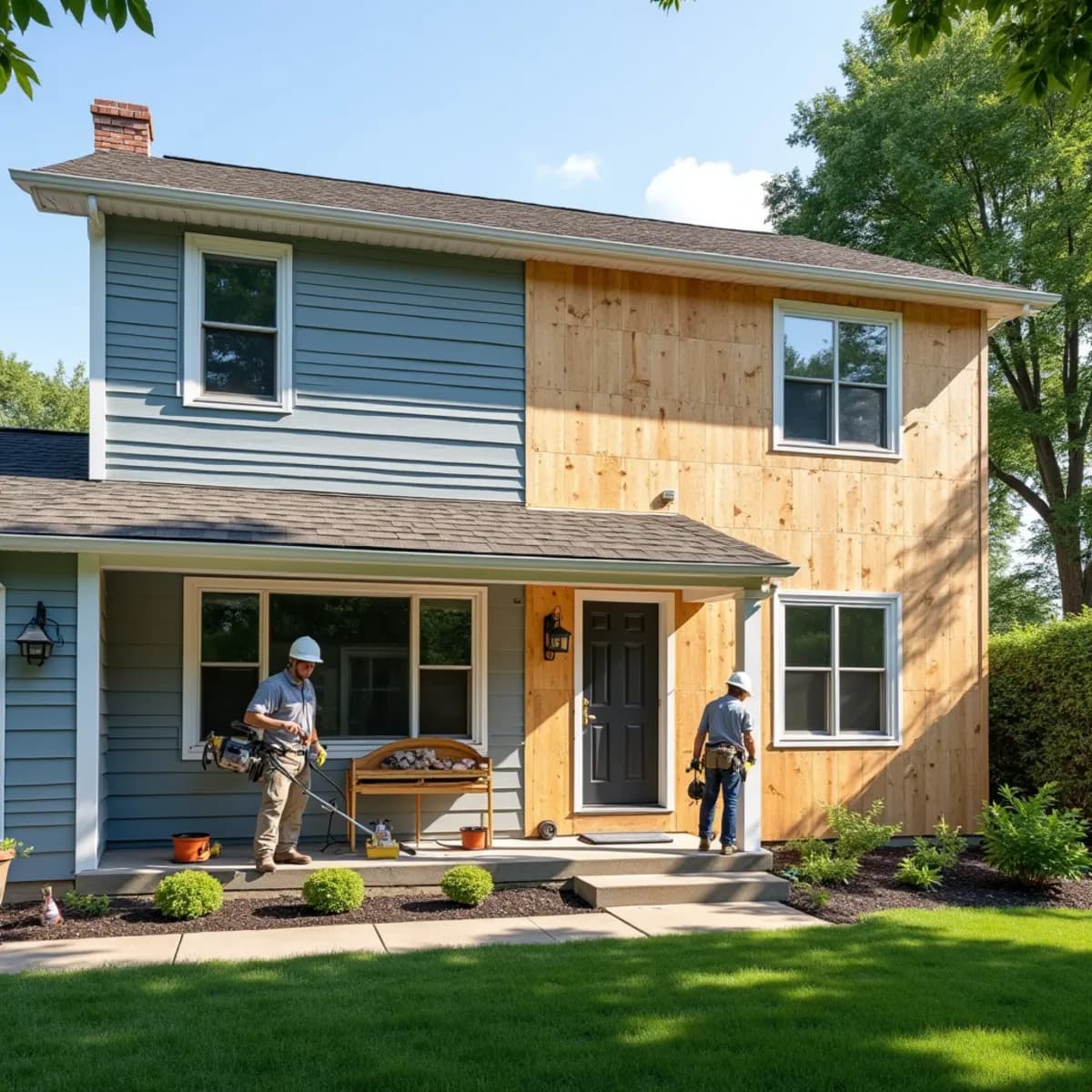
A typical siding installation moves through five stages: the free estimate and measurement, material selection and ordering, project scheduling, the installation itself (tear-off, prep, and new siding), and final inspection and cleanup. The on-site work on an average home often runs a few days to about two weeks depending on size, material, complexity, and weather. Your exact timeline depends on your home and product choice.
Stage 1: estimate and measurement
It starts with an on-site visit to measure your wall area, inspect existing conditions, and discuss your goals for the project. This is when you receive an itemized written estimate covering materials, labor, and the scope of work.
Getting the measurements and scope right here is what makes the rest of the timeline reliable. A careful estimate catches potential complications early, so there are fewer surprises once work begins.
The estimate visit is also your chance to ask questions and set expectations: how the crew protects landscaping, where materials and dumpsters will sit, and how you will be kept informed. Clearing up these details before the project starts makes the whole experience smoother.
From the estimate to the finished job, the overall calendar often spans a few weeks once you account for scheduling and material lead times, even though the hands-on work is shorter. Knowing that up front helps you plan, especially if you are timing the project around an event or a sale.
Stage 2: material selection and ordering
Once you choose a material, color, and profile, the product is ordered. Lead times vary: common vinyl colors may be readily available, while specific fiber cement lines, custom colors, or specialty trim packages can take longer to arrive.
Selecting promptly keeps the schedule moving. This is also the stage to finalize decisions about trim, soffit and fascia, or other related work so everything arrives together and the crew can complete the project in one coordinated effort.
It is worth resisting the urge to change your mind about color or profile once materials are ordered, since a switch can reset the lead time. Taking a little extra time up front to view samples on the house is a better path than a costly change order later.
Stage 3: scheduling
With materials on the way, the installation is scheduled. In Wisconsin, weather plays a real role, and siding work is planned around conditions that allow proper installation, since some products and steps have temperature considerations.
A good contractor gives you a realistic window rather than an overly optimistic promise, and keeps you informed if weather requires an adjustment. Clear communication here prevents frustration later.
Some flexibility helps at this stage. Weather in Wisconsin does not always cooperate, and a short delay to install in proper conditions is far better than rushing work in rain or extreme cold. A contractor who protects the quality of the installation over the calendar is doing you a favor.
Stage 4: installation
On install days, the crew removes old siding if tear-off is part of the plan, inspects and repairs the sheathing and weather barrier, and installs the new siding, trim, and any soffit and fascia work. This is the longest stage, and its length scales with the size and complexity of your home.
Expect some noise and activity around the exterior, and plan to keep the work area accessible by moving vehicles and outdoor items as needed. If tear-off reveals hidden damage such as rot or failed sheathing, the crew will discuss any additional repairs with you before proceeding.
Life inside continues largely as normal during installation, since the work stays on the exterior. You may want to secure pictures on shared walls against vibration and keep pets away from open doors and the work zone, but most households carry on with their routine while the crew works outside.
The crew typically works one section of the home at a time, so your house is never left fully exposed. At the end of each day the walls are weathertight, which matters in a climate where an overnight storm can roll in unexpectedly.
Stage 5: inspection and cleanup
The project wraps with a walkthrough to confirm the work meets expectations, followed by a thorough cleanup of debris and stray fasteners around the property. A conscientious contractor leaves your yard as clean as they found it.
This is also when care instructions and warranty details are reviewed with you, so you know how to maintain the siding and what your coverage includes going forward.
Take the walkthrough seriously and point out anything that looks off while the crew is still on-site. It is far easier to address a small detail during the final visit than to arrange a return trip later, and a good contractor wants you fully satisfied before they consider the job done.
What affects your timeline
Home size, the chosen material and its lead time, weather, and any hidden repairs are the biggest variables. A compact ranch with in-stock vinyl moves faster than a large, detailed home getting custom fiber cement with extensive trim.
Season plays a part too. Siding work continues through much of the Wisconsin year, but the busiest stretches can mean longer waits to get on the schedule, and deep-winter conditions may affect timing for certain products. Planning ahead, especially for a spring or summer project, helps you get the window you want.
Overcash Siding has managed siding projects across the greater Madison area since 1978. Request a free estimate and we will give you a realistic timeline built around your specific home and material choice.