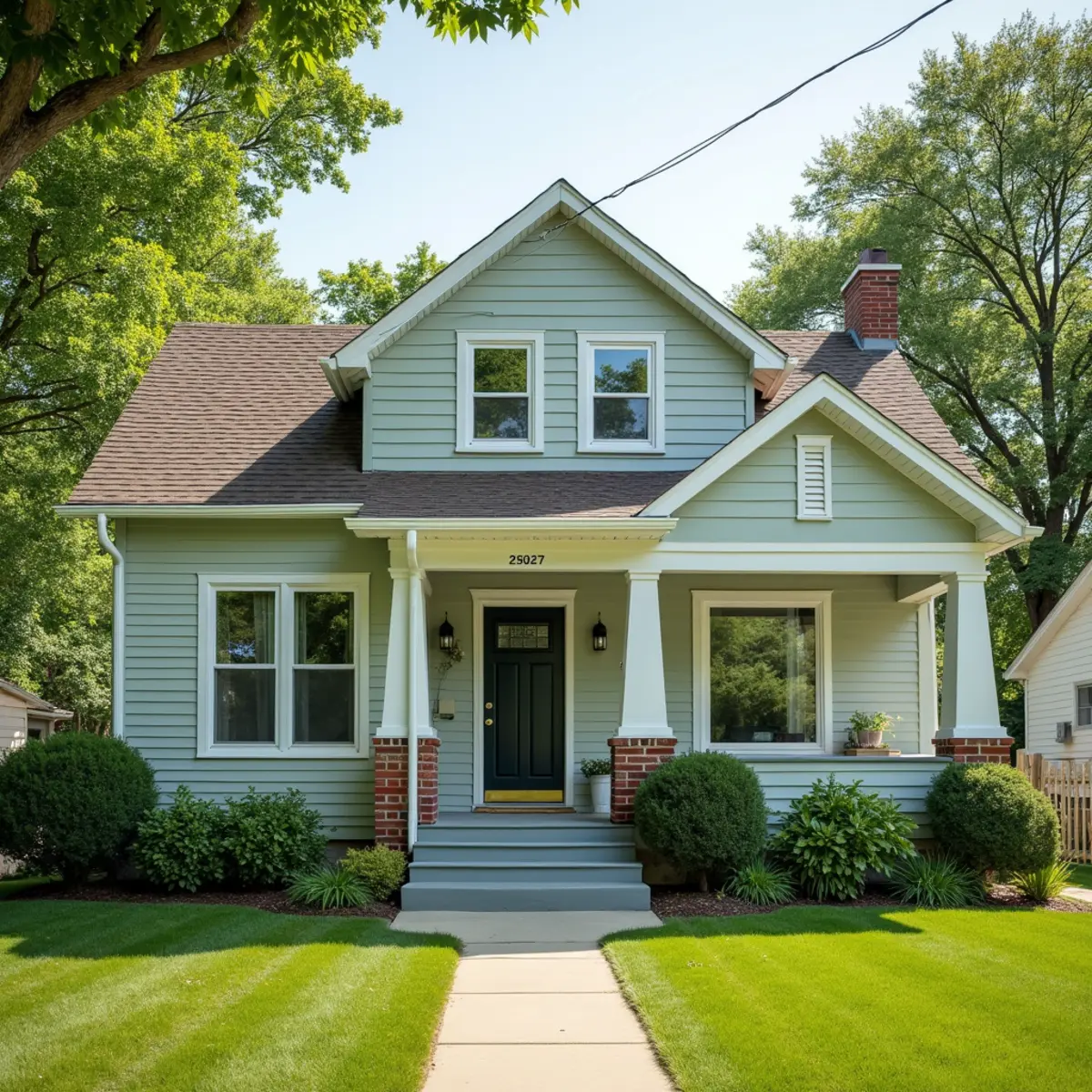
Vinyl siding is the most popular siding choice in the Madison area because it is affordable, low maintenance, and available in dozens of colors and profiles. Overcash Siding installs quality vinyl and insulated vinyl siding on single-family homes, detailing it to handle Wisconsin freeze-thaw and wind without buckling or leaking.
Vinyl earns its popularity: it never needs painting, resists moisture and insects, and comes in a wide range of colors and styles, including profiles that mimic wood lap, Dutch lap, and shake. For many Madison-area homeowners it is the best balance of cost, appearance, and upkeep.
The catch is that vinyl is only as good as its installation. Vinyl expands and contracts significantly with temperature swings, and Wisconsin has plenty of those. Nailed too tight, it buckles in summer; installed without proper flashing, it lets water behind the wall. We install vinyl to allow for movement and to manage water correctly, which is what separates a wall that looks great for decades from one that waves and leaks.
Why Homeowners Choose Vinyl Siding
- You want the lowest-maintenance option — no painting, easy cleaning
- You are working within a budget and want strong value
- You want a wide selection of colors and profiles
- You are interested in insulated vinyl for better energy performance
Standard vs. Insulated Vinyl
Insulated vinyl has a foam backing bonded to the panel. It adds a modest R-value, makes the siding more rigid and impact-resistant, dampens noise, and helps the panels lie flatter. In a cold climate like ours, the added rigidity and energy performance are real benefits worth weighing against the higher cost. We will walk you through whether standard or insulated vinyl fits your home and budget.
Vinyl in Wisconsin Weather
Cold makes vinyl more brittle, so it can crack under a hard impact in deep winter, and dark colors can fade over many years of sun. Quality modern vinyl is engineered to resist both, and correct installation — leaving room for expansion, using proper fasteners, and flashing openings — is what keeps it performing through our freeze-thaw cycles. Our decades siding local homes inform every one of those details.
Our Process
- 1
Color & Profile Selection
We help you choose a color and profile that suits your home and neighborhood.
- 2
Barrier & Flashing
We verify or install the weather barrier and flash all openings first.
- 3
Install for Movement
Panels are hung to allow expansion and contraction so the wall stays flat and tight.
- 4
Trim & Finish
Corners, J-channel, and trim are finished cleanly for a durable, watertight result.
What Affects Vinyl Siding Cost
Vinyl is the most budget-friendly siding, but these factors still move the price:
- Standard vs. insulated
- Insulated vinyl costs more but adds R-value and rigidity.
- Grade & thickness
- Heavier, premium vinyl resists warping and impact better than builder-grade.
- Home size & complexity
- Square footage, stories, and trim detail affect labor.
- Tear-off
- Removing old siding adds to a replacement compared to new construction.