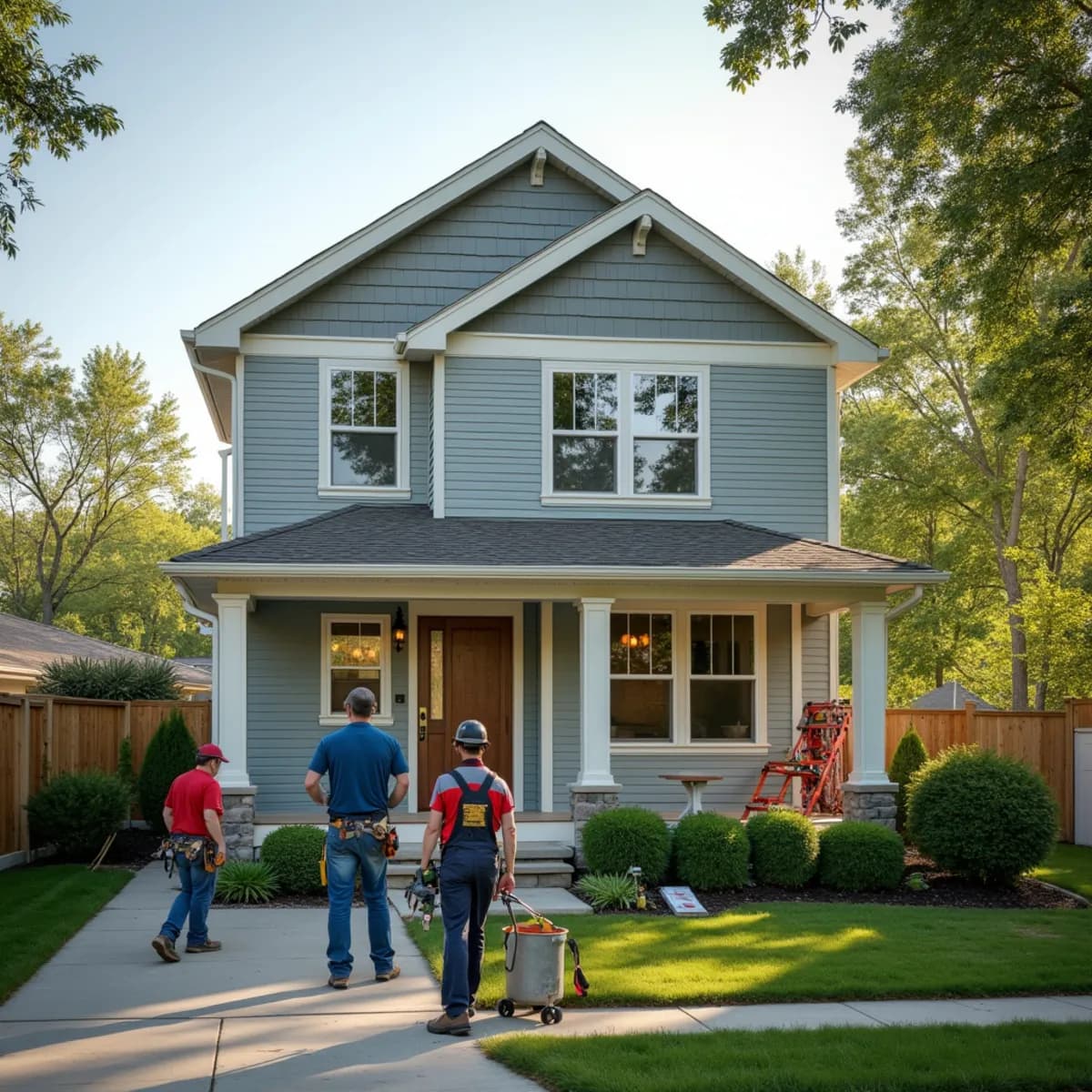
The main advantages of James Hardie fiber cement are outstanding durability, non-combustibility, resistance to rot and pests, and a crisp, wood-like appearance that holds factory finishes for years. The main drawbacks are a higher installed cost, heavier and more labor-intensive installation, and the need for periodic maintenance like repainting and caulk inspection. For many Wisconsin homeowners it is a strong long-term choice when the budget fits.
Pro: durability and longevity
Fiber cement is dimensionally stable and resists warping, rot, and insect damage. Because it is a cement-based product, it does not swell and shrink with humidity the way wood-based materials do, which keeps seams and joints tight over time.
It commonly lasts 30 to 50 years or more, which makes it one of the longest-lived mainstream siding options for a home you plan to keep. For owners who do not want to think about siding again, that longevity is a major draw.
That stability also means the siding stays put through Wisconsin’s temperature swings. Where wood-based products can move enough to open gaps or pop fasteners over the years, fiber cement holds its position, which keeps the exterior looking tight and finished for a long time.
This durability is a big reason many owners choose it for a forever home. When you do not expect to move, spreading a higher upfront cost across decades of service, with little worry about rot, pests, or fire, changes how the investment looks compared to a product you might replace sooner.
Pro: fire and weather resistance
Hardie is non-combustible, an appealing feature for many homeowners and one that vinyl and wood cannot match. It will not melt or fuel a fire the way some products can.
It also stands up well to Wisconsin’s cold and freeze-thaw cycles when cut edges are primed and flashing is done correctly, and it resists wind-driven moisture. It is a material built to shrug off harsh weather season after season.
Fiber cement does not soften, warp, or provide food for insects, so it holds its shape and integrity where some materials degrade. That combination of fire, moisture, and pest resistance is a big part of why it has become a go-to premium option in the Upper Midwest.
Pro: appearance and finish
Fiber cement offers clean lines and deep profiles that convincingly mimic wood, available in lap, panel, and shingle styles. It gives a home a substantial, high-end look that many buyers associate with quality construction.
Factory ColorPlus finishes hold color well and reduce how often you repaint, and the paint bonds well when refinishing is eventually needed. The result is a durable appearance that stays sharp for years.
Pro: resale and curb appeal
Fiber cement carries a strong reputation for quality, and its clean, substantial look adds curb appeal that many buyers recognize and value. On a home you may eventually sell, that perception can be an asset alongside the material’s practical durability.
Because it holds up and holds its finish, a fiber cement exterior tends to still look good years after installation, which supports the home’s appearance over the long haul rather than fading or looking dated quickly.
Con: cost and installation demands
Hardie carries a higher material price than vinyl or engineered wood, and it is heavy and brittle to handle, so installation takes more labor and careful cutting to control the silica dust it produces. Those factors raise the installed cost.
It also rewards experienced installation. Correct gapping, fastening, flashing, and edge priming are what unlock its long lifespan, so the crew you hire matters as much as the product itself. Poorly installed fiber cement can crack or let moisture in despite the material’s strengths.
The weight is a practical consideration too. Heavier planks are harder to handle on ladders and lifts, which is part of why installation takes longer and costs more than lighter products. It is not a drawback once the siding is up, but it does factor into the project’s labor and timeline.
Con: ongoing maintenance
Although factory finishes last a long time, fiber cement still needs periodic repainting depending on the finish, plus caulk inspection at joints and transitions. It is low-maintenance, not no-maintenance.
Budget for occasional upkeep over its long life. For most homeowners this is a minor tradeoff for the durability and looks, but it is worth knowing before you choose it over a truly hands-off product like vinyl.
The good news is that the maintenance is predictable and infrequent, not constant. A wash, an occasional caulk check, and a repaint every so many years is a modest commitment for a material that can protect a home for decades, especially when you start with a durable factory finish.
Is James Hardie right for your home?
Hardie makes the most sense when you want maximum longevity, a premium wood-like look, and non-combustibility, and the budget allows for the higher upfront cost. If cost or minimizing maintenance is a bigger concern, vinyl or engineered wood may fit better.
It is also worth weighing against its closest competitor, engineered wood, which offers a warmer wood-grain look, easier installation, and better impact resistance at a typically lower cost. Neither is simply better; they trade strengths, and the right pick depends on what you prioritize.
Overcash Siding installs fiber cement across the greater Madison area and has since 1978. Request a free estimate and we will help you decide honestly whether Hardie is the right investment for your home and goals.