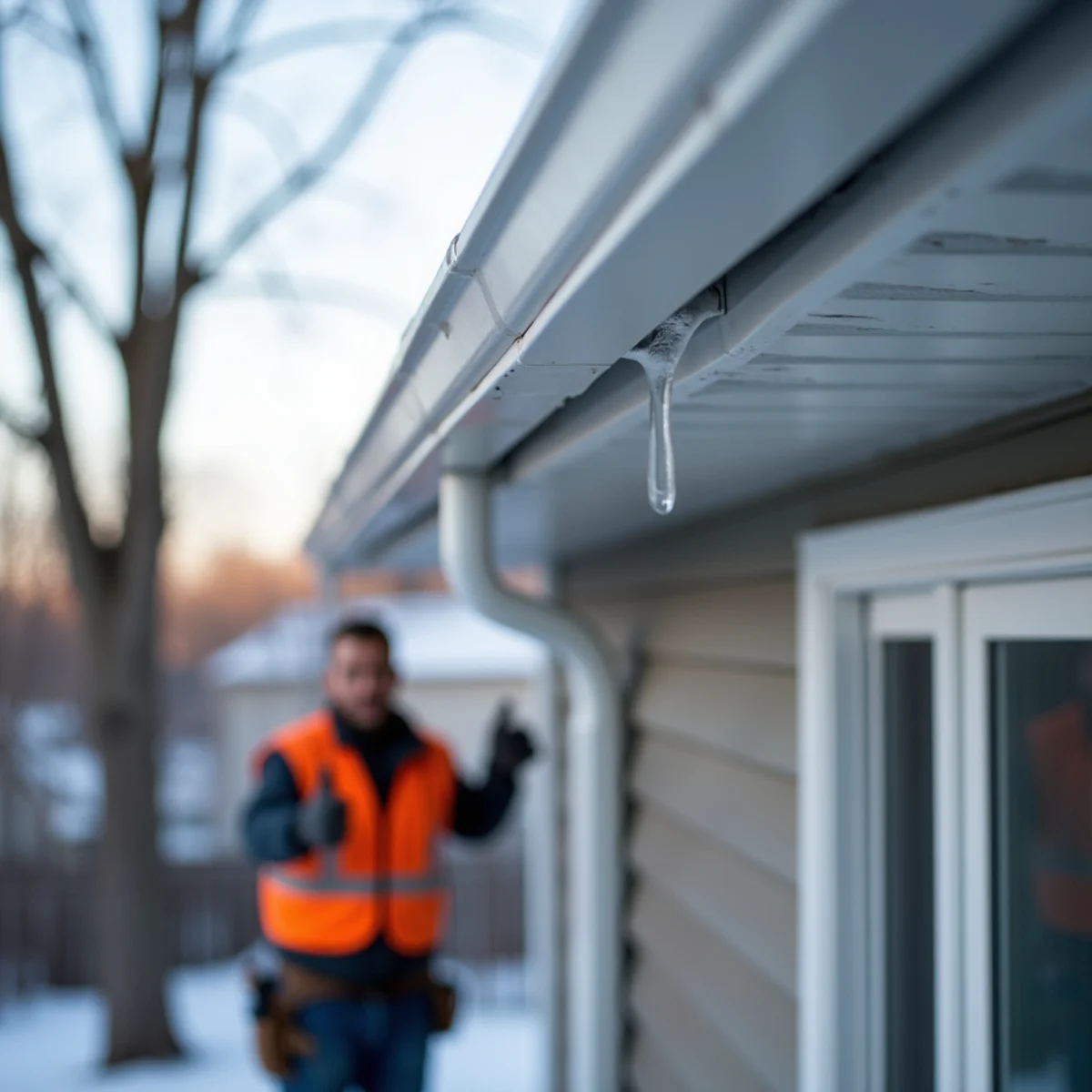
Soffit and fascia are the boards that finish your roofline, and they do far more than look tidy. Vented soffit brings fresh air into the attic, fascia supports the gutters and seals the roof edge, and together they help control attic moisture and reduce the conditions that lead to ice dams. In Wisconsin’s climate, keeping them sound is key to protecting your roof and walls.
What soffit and fascia actually do
The soffit is the underside of the roof overhang, and the fascia is the vertical board along the roof edge where gutters attach. Beyond finishing the look of the eaves, they seal the roofline against weather, wind-driven rain, and pests looking for a way into the attic.
Vented soffit is a critical part of the attic ventilation system, allowing outside air to flow in at the eaves and exit near the ridge. This intake role is easy to overlook, but it is central to how a roof breathes.
Together they also finish the transition between the roof and the walls, giving the eaves a clean, complete look and hiding the rafter tails and roof structure underneath. When they are in good shape, most people never notice them, which is exactly the point.
Soffit and fascia are also a common entry point for animals and insects when they fail. Gaps from rot or loose boards invite birds, squirrels, and wasps into the eaves and attic, so keeping these components tight is about pest control as much as weather protection.
Attic ventilation and moisture control
Balanced attic ventilation relies on intake at the soffits and exhaust near the ridge. That continuous airflow carries away heat in summer and, just as importantly for Wisconsin, moisture in winter.
Without enough soffit intake, humid air from the living space below can condense on cold roof framing, leading to damp insulation, mold, and premature deterioration of the roof deck. Blocked or damaged soffit vents, or insulation stuffed into the eaves, are a common hidden cause of attic moisture problems.
Properly functioning soffit vents keep that air moving so moisture does not accumulate where it can do quiet, long-term damage.
The ice dam connection
Ice dams form when heat escaping into the attic melts snow on the upper roof, and that meltwater runs down and refreezes at the cold eaves, creating a ridge of ice that backs water up under the shingles and into the home.
Good soffit ventilation helps keep the attic and roof deck colder and more uniform in temperature, which reduces the uneven melting that feeds ice dams. Ventilation is not the only factor, since attic insulation and air sealing matter too, but soffits are an important part of the defense against a problem that plagues Wisconsin homes.
When soffit vents are blocked by insulation or painted over, that intake air cannot flow, and the attic warms unevenly. Baffles that keep insulation from covering the vents, along with a clear path from soffit to ridge, are what let the ventilation system actually do its job through a hard winter.
Why damaged fascia is a problem
Fascia carries the gutters and seals the roof edge, so its condition affects both drainage and weather protection. When it rots or pulls loose, gutters can sag or fail, and water can get behind the boards and into the roof structure.
Peeling paint, soft spots, stains, and gutters that are pulling away are all signs the fascia needs attention. Because it sits at the intersection of roof, gutter, and wall, fascia problems tend to invite water into several systems at once.
Material choices for soffit and fascia
Soffit and fascia come in several materials. Aluminum and vinyl are popular because they resist moisture, need little maintenance, and are available in vented profiles that make attic intake easy to build in. They are a practical fit for the Upper Midwest.
Wood offers a traditional look but demands regular painting and is vulnerable to rot if water reaches it, which is a real risk at the roof edge. Many homeowners updating their siding take the opportunity to switch to low-maintenance soffit and fascia at the same time.
Whatever the material, adequate ventilation is the priority. The right amount of net free vent area, kept clear of insulation, is what lets the system control moisture and support the roof through Wisconsin winters.
A balanced system pairs that soffit intake with exhaust near the ridge so air moves continuously through the attic. Too much of one and not enough of the other, or vents that are blocked, and the airflow stalls, which undercuts the whole point of venting the soffits in the first place.
This is worth checking on any home that has struggled with ice dams or attic moisture, because a common culprit is soffit intake that was never adequate or has since been blocked. Restoring proper airflow at the eaves is often a key part of solving those recurring winter problems.
Protecting your roofline
Because soffit and fascia are often replaced or upgraded alongside siding, it is a natural time to make sure ventilation and moisture control are working properly. Addressing them together is more efficient than tackling the roofline separately later.
Signs that your soffit and fascia deserve a look include recurring ice dams, attic condensation or frost, peeling paint at the eaves, and any visible sagging or gaps. These often accompany a siding project, and addressing them together protects the roof, walls, and attic as one connected system.
Overcash Siding has serviced rooflines across the greater Madison area since 1978. Request a free estimate and we will inspect your soffit and fascia along with your siding, and explain what we find.